
Online ESP32 simulator
Simulate ESP32-C3 RISC-V directly in your browser. Wire sensors, run real Arduino C++ sketches, and plot live telemetry curves in real time.
The ESP32 simulator in action
Real C++ editor on the left, interactive circuit canvas on the right, and AI copilot ready to help.
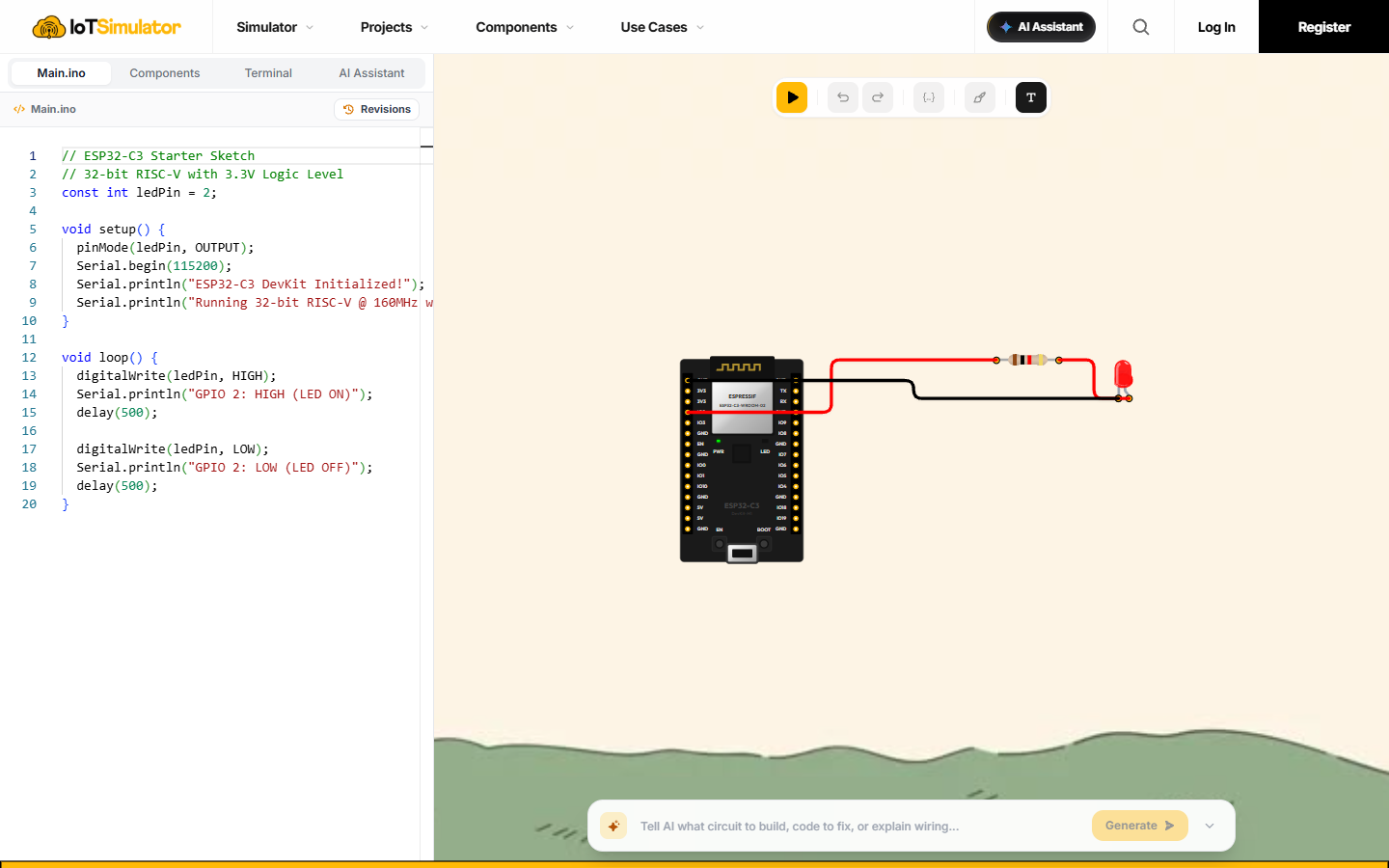
How to simulate ESP32 in 3 simple steps
Skip downloading gigabytes of ESP-IDF toolchains. Prototype wireless IoT in seconds.
Everything you need to build and test
From modern RISC-V GPIO experiments to real-time serial waveform plotting.
Modern 32-bit RISC-V core with 3.3V logic
Simulate the modern ESP32-C3 microcontroller running at 160MHz directly in your browser. Practice with 3.3V GPIO pins and analog sensors safely.
- Accurate ESP32-C3 RISC-V CPU execution in WebAssembly
- True 3.3V GPIO logic and high-resolution ADC analog pin calculations
- Direct compatibility with standard Arduino C++ functions and libraries
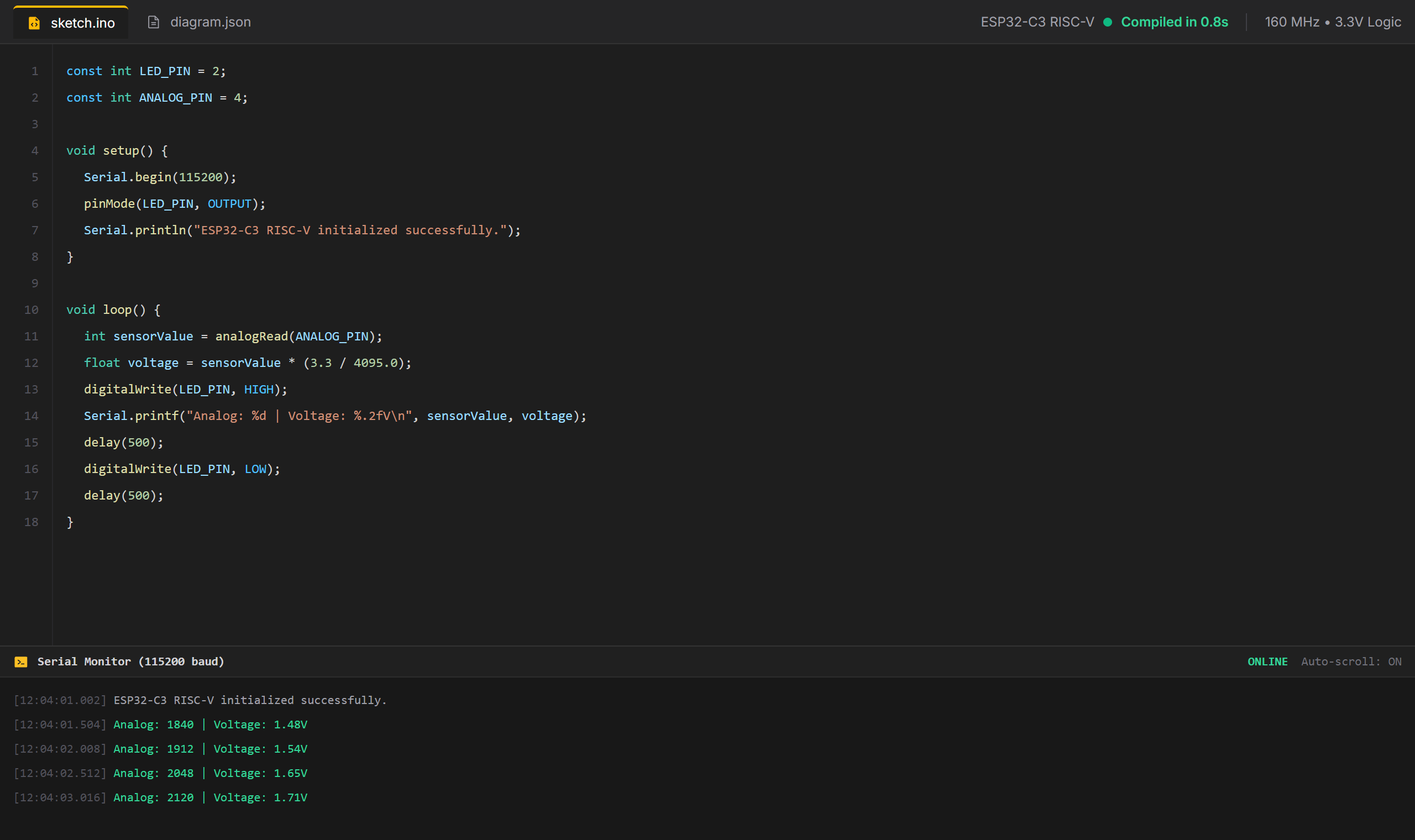
Live multi-channel telemetry & waveform plotter
Visualize ultrasonic sonar echoes, analog voltages, and temperature streams as live continuous waveforms on the built-in Serial Plotter.
- Multi-channel real-time waveform plotting with color-coded data traces
- Configurable sample buffer and automatic dynamic Y-axis scaling
- Simultaneous live serial terminal logging with 115200 baud speed

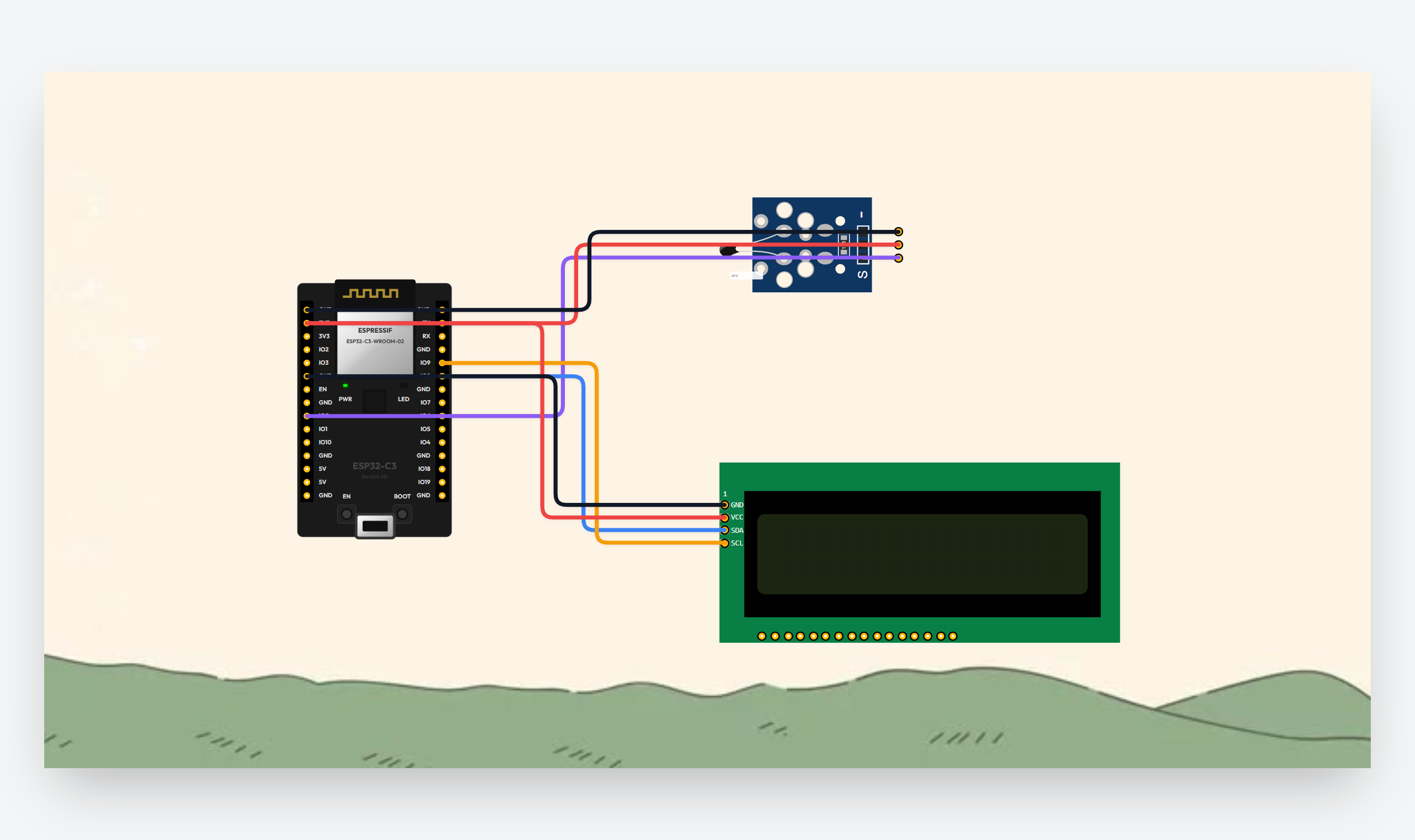
Interactive environmental sensors & wiring
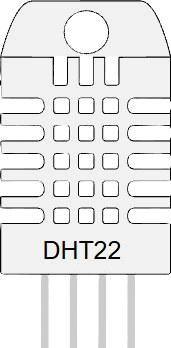
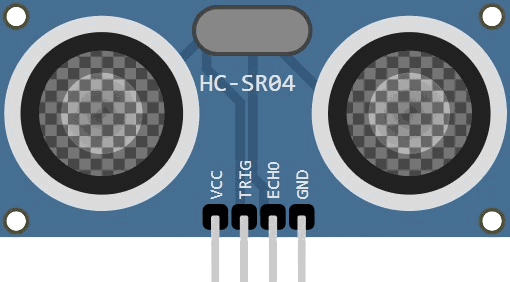
Connect the ESP32-C3 to DHT22 temperature sensors, HC-SR04 sonar, potentiometers, and displays with realistic orthogonal jumper wires.
- Interactive onscreen sliders to test sensor inputs and distance changes
- Short-circuit safety checks to protect virtual 3.3V microcontroller pins
- Realistic component pinout diagrams matching real physical hardware
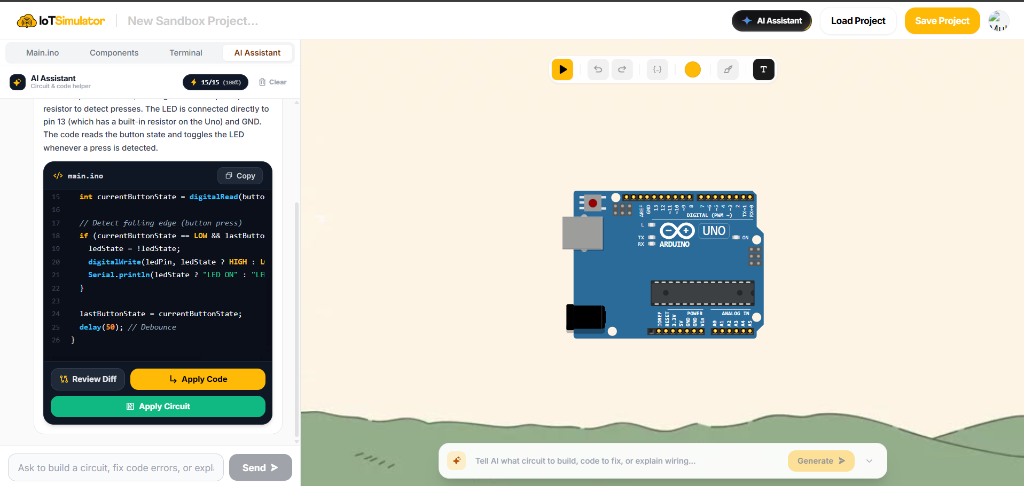
Natural language circuit generator & code fixer
Need an ESP32 sketch that reads an ultrasonic sensor and sounds an alarm when obstacles get closer than 15cm? Our Groq LPU AI builds it in seconds.
- Complete circuit schematic generation from plain English prompts
- Automatic pin allocation avoiding strapping pins and GPIO conflicts
- 1-click automatic fix for C++ compiler errors and missing libraries
Supported ESP hardware and boards
Full peripheral emulation supporting 3.3V logic and multi-core execution.
ESP32-C3 DevKit
Modern 32-bit RISC-V microcontroller with true 3.3V GPIO simulation, ADC readings, and C++ sketch execution.

ESP32 DevKit V1
The classic dual-core workhorse. Currently in development for upcoming multi-core emulation updates.
NodeMCU ESP8266
Popular budget microcontroller for simple smart relays. Currently planned for upcoming simulation roadmaps.
Support a vast library of IoT components
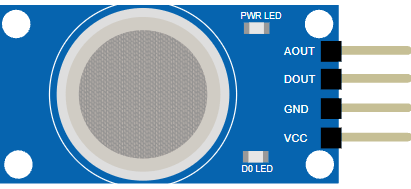
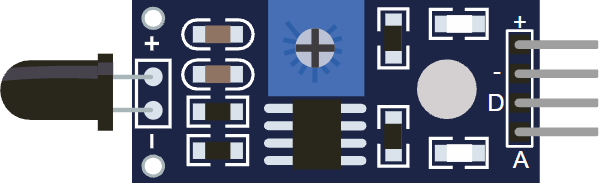
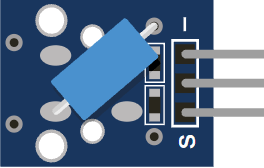
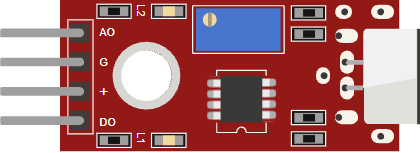
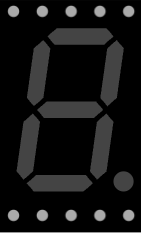
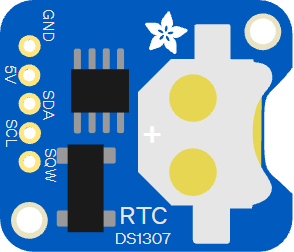
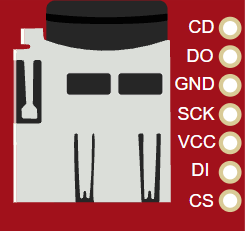
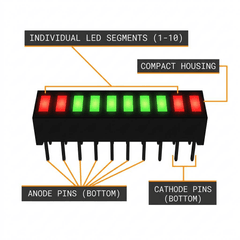
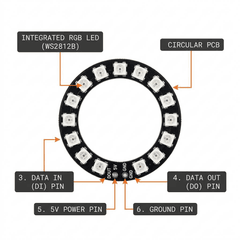
Every 3.3V sensor, actuator, and display you need to build realistic virtual IoT prototypes.
Sensors & Inputs
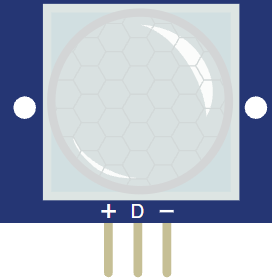
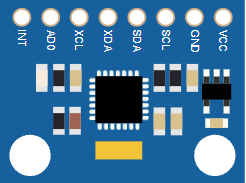
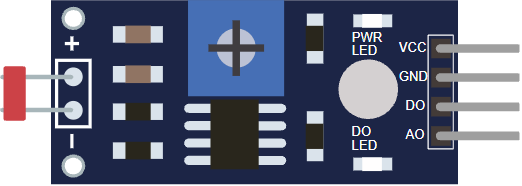
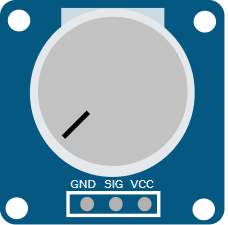
Actuators & Outputs
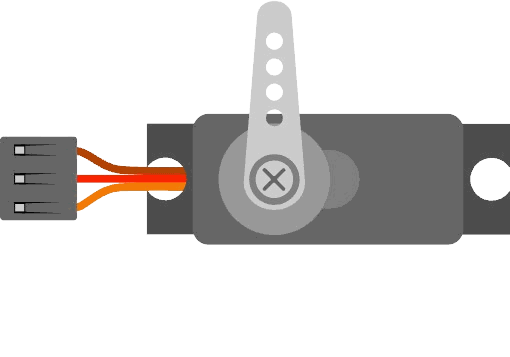
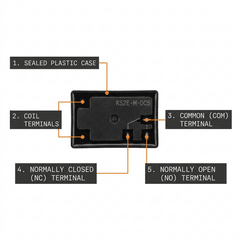

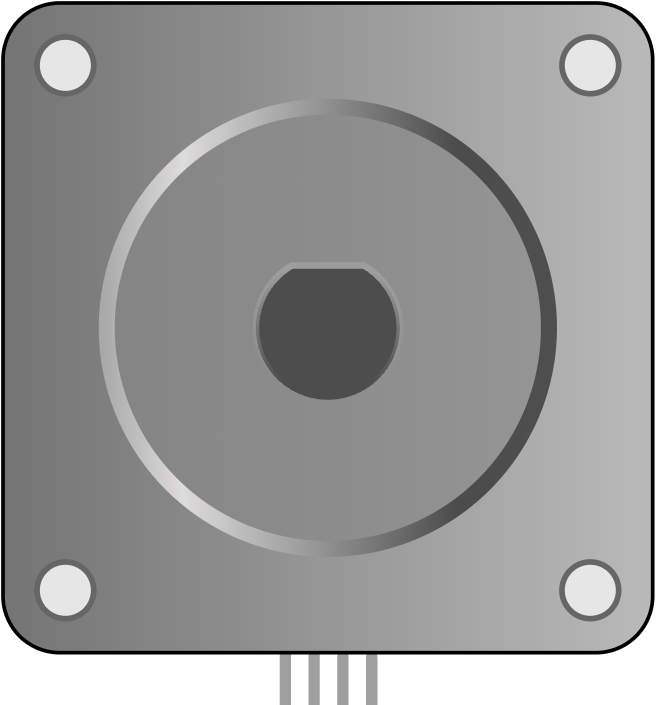



Displays & Modules


Ready-to-run starter projects
Open working ESP32 circuits with code and breadboard wiring pre-assembled in one click.
 Run
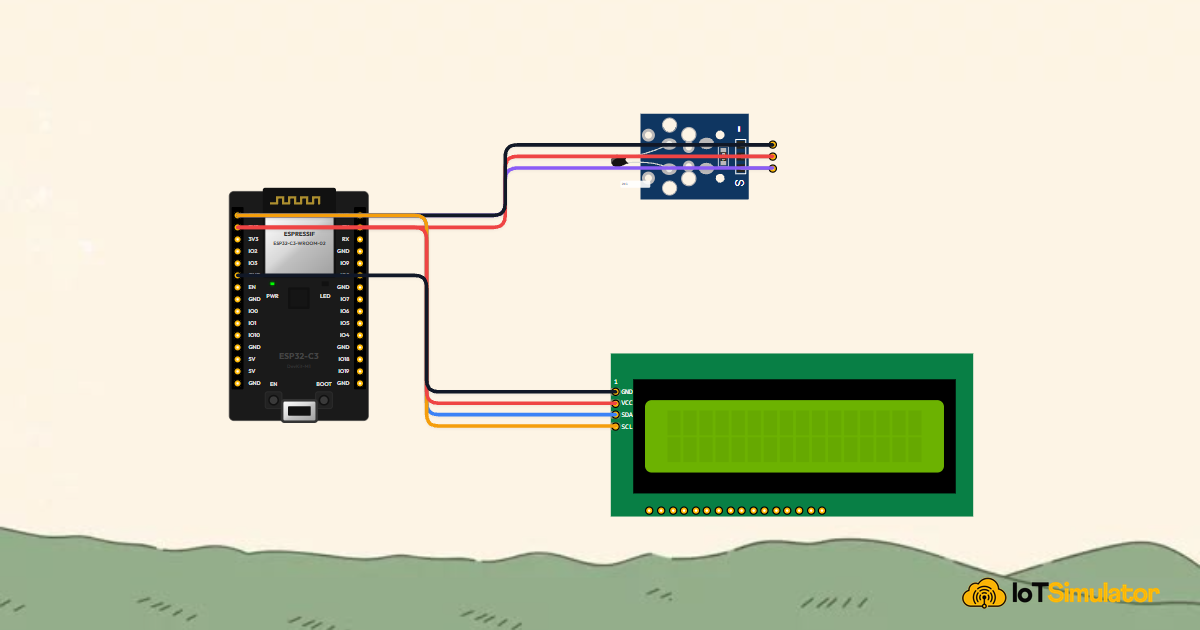
ESP32-C3 Digital Thermometer
Simulate high-accuracy temperature and humidity readings with DHT22 and LCD1602.
 Run
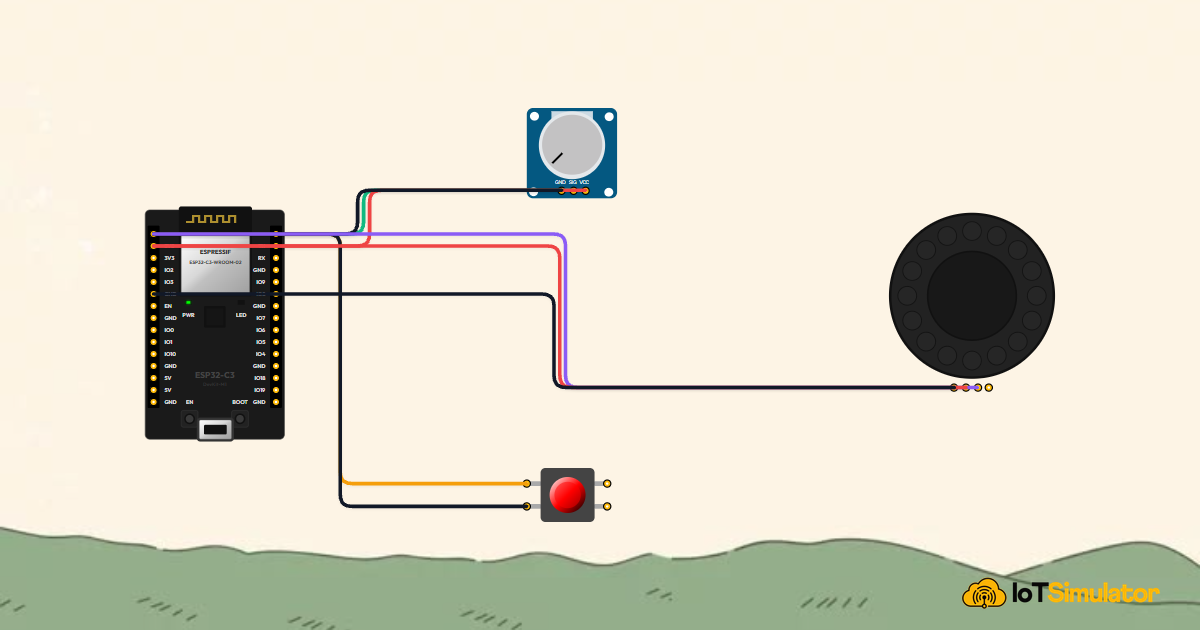
ESP32-C3 NeoPixel Mood Lamp
Addressable RGB NeoPixel ring animation and smooth color fade patterns.
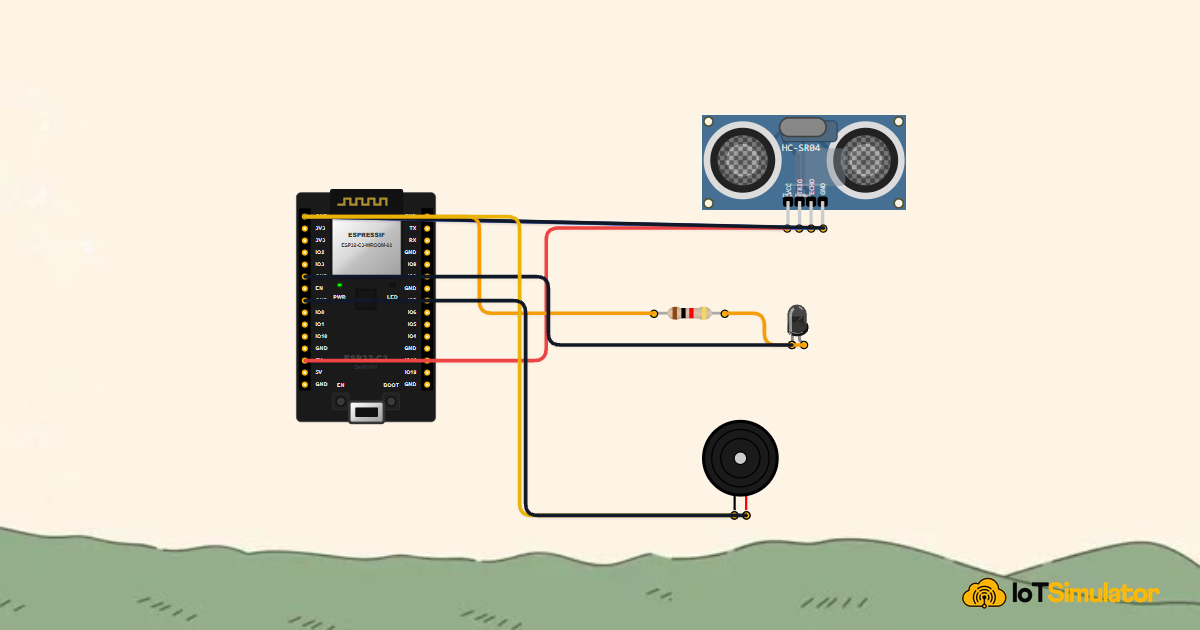 Run
ESP32-C3 Ultrasonic Telemetry
Real-time sonar distance measurement streamed to live telemetry serial plotter.
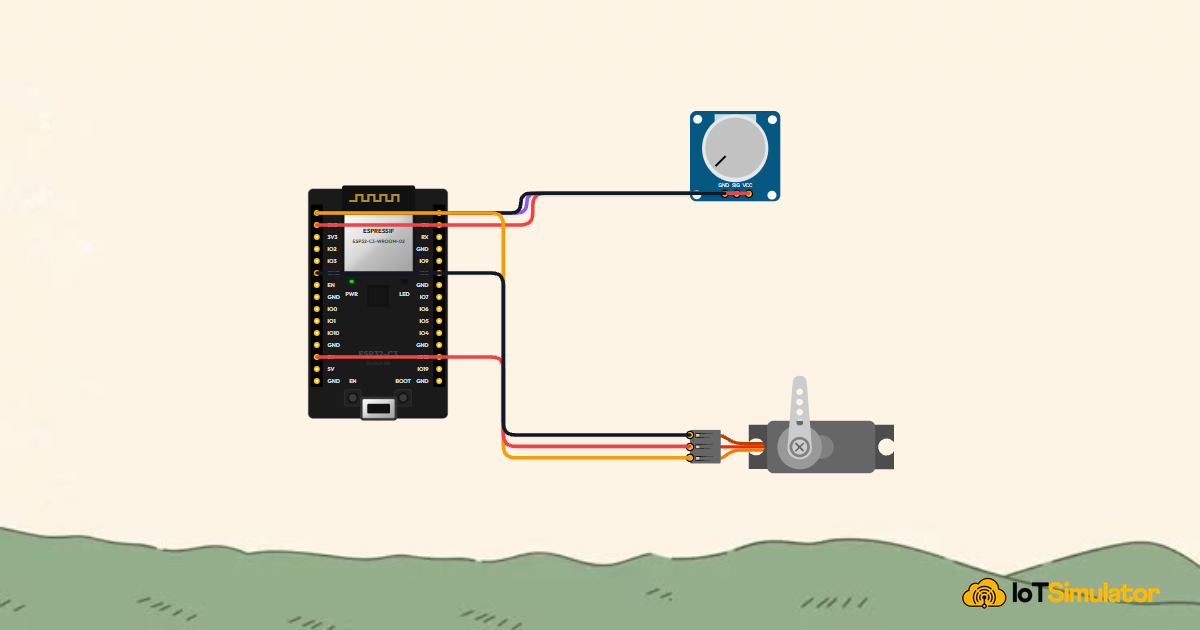 Run
ESP32-C3 Servo Angle Controller
Smooth PWM servo motor position control driven by analog rotary potentiometer.
Frequently asked questions
Common questions about virtual WiFi, MQTT streams, and 3.3V logic level compatibility.