IoTSimulator

Arduino & ESP Simulator

Build virtual circuits, write real Arduino code, and simulate Arduino & ESP32 directly in your browser with zero setup.

Learn Arduino & ESP Components

Explore all 7 comprehensive categories of interactive microcontrollers, sensors, input devices, displays, actuators, physical actors, and passive components.
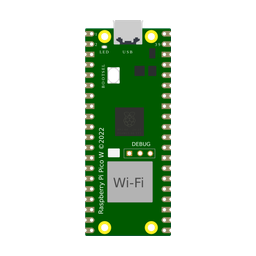
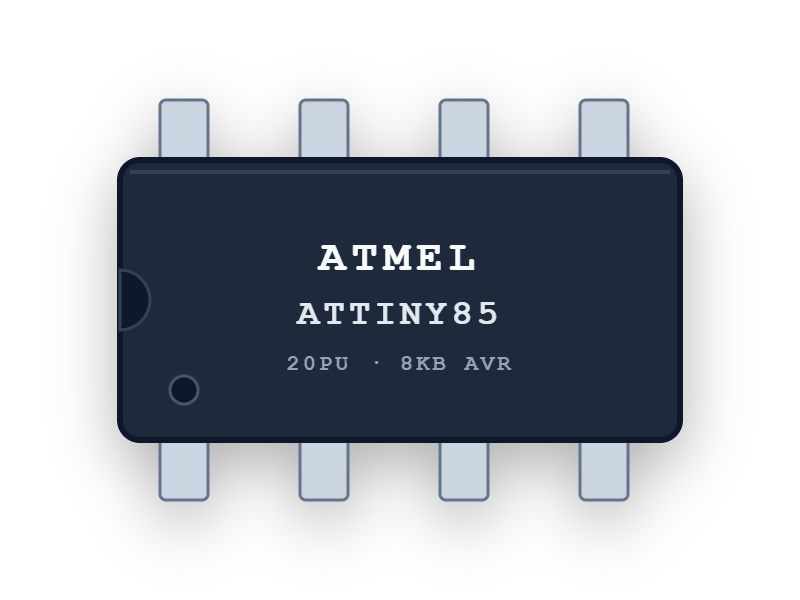
Microcontrollers9 Items
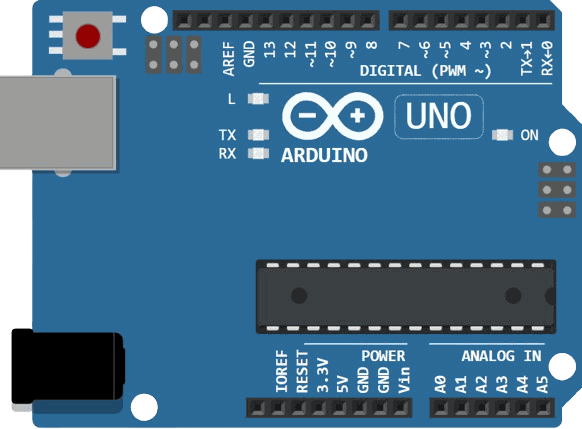
Microcontrollers Main Preview
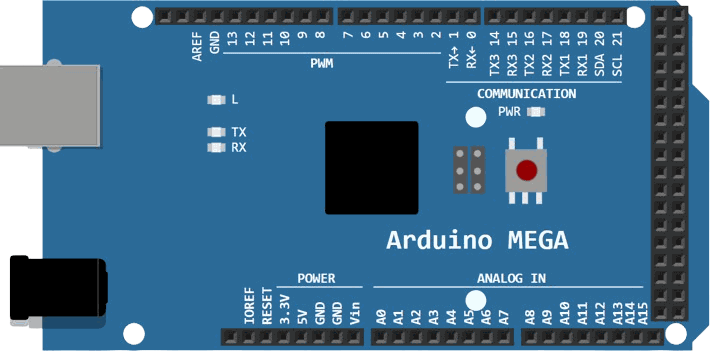
Microcontrollers Satellite 1
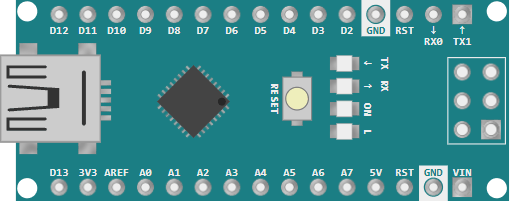
Microcontrollers Satellite 2
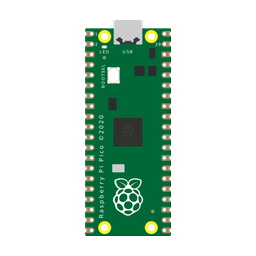
Microcontrollers Satellite 3
Microcontrollers Satellite 4

Microcontrollers

Programmable brain boards that execute firmware logic, read sensor pins, and drive outputs.

Explore Microcontrollers →
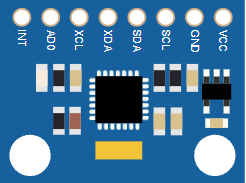
Sensors12 Items
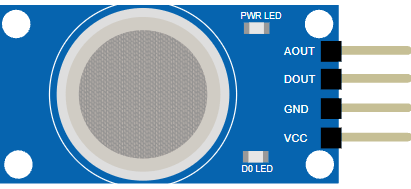
Sensors Main Preview
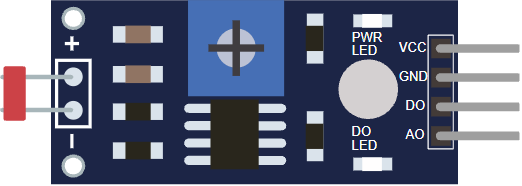
Sensors Satellite 1
Sensors Satellite 2
Sensors Satellite 3
Sensors Satellite 4

Sensors

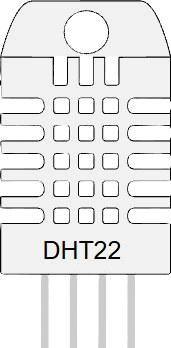
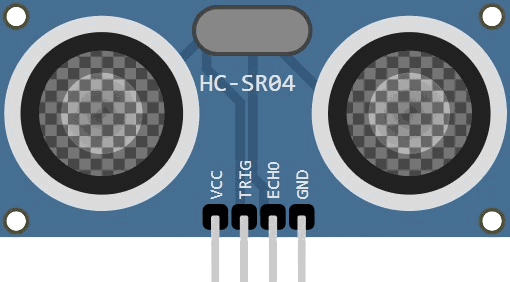
Precision environmental transducers converting physical phenomena into analog and digital signals.

Explore Sensors →
Input Devices11 Items
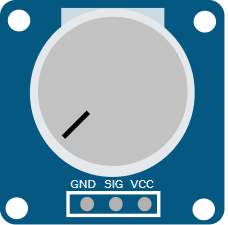
Input Devices Main Preview
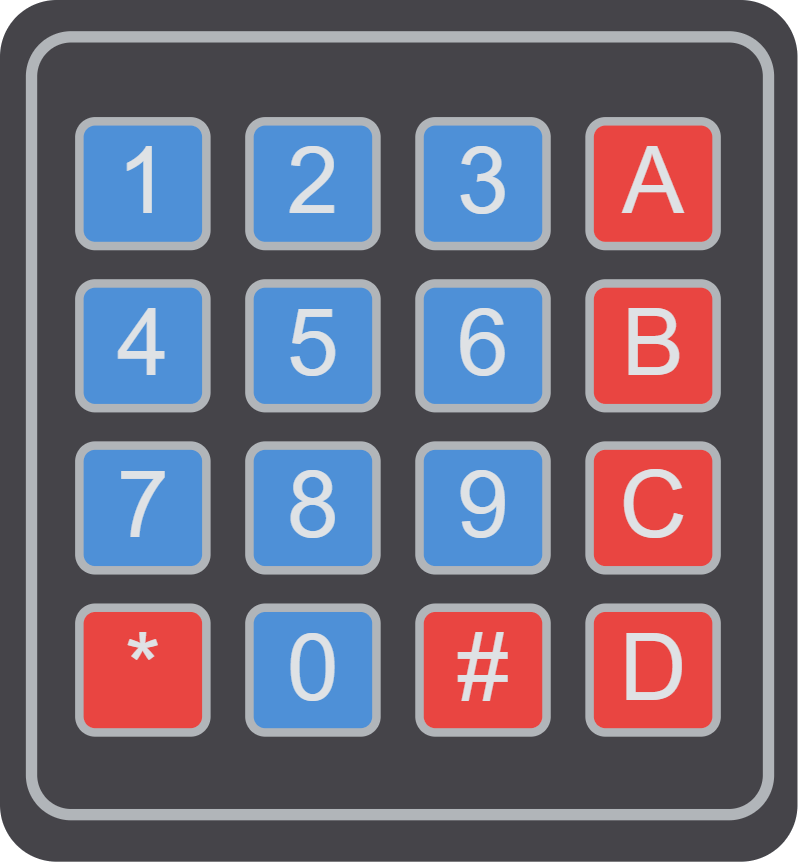
Input Devices Satellite 1
Input Devices Satellite 2
Input Devices Satellite 3
Input Devices Satellite 4

Input Devices

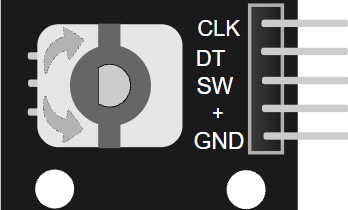
Human-machine controls enabling direct user interactions, keypads, potentiometers, and joysticks.

Explore Input Devices →
Displays10 Items
Displays Main Preview
Displays Satellite 1
Displays Satellite 2
Displays Satellite 3
Displays Satellite 4

Displays

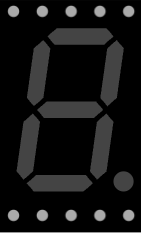
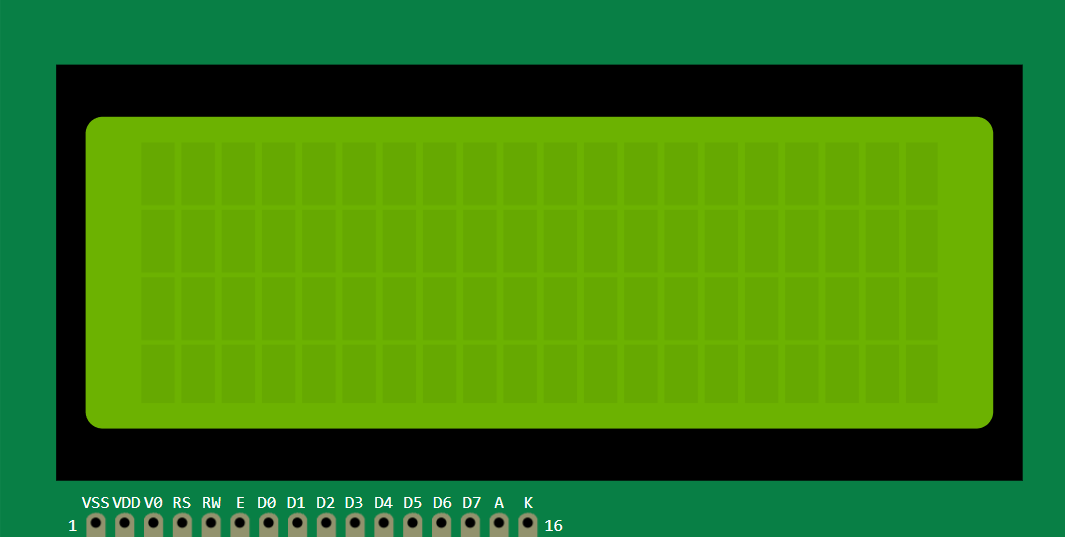
Visual output interfaces from character alphanumeric screens to high-resolution color TFT panels.

Explore Displays →
Actuators5 Items
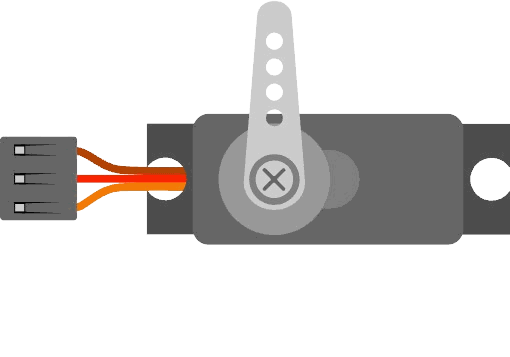
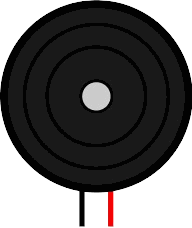
Actuators Main Preview
Actuators Satellite 1
Actuators Satellite 2
Actuators Satellite 3
Actuators Satellite 4

Actuators

Mechanical motors, high-voltage switching relays, and acoustic buzzers bringing motion to projects.

Explore Actuators →

Physical Actors10 Items
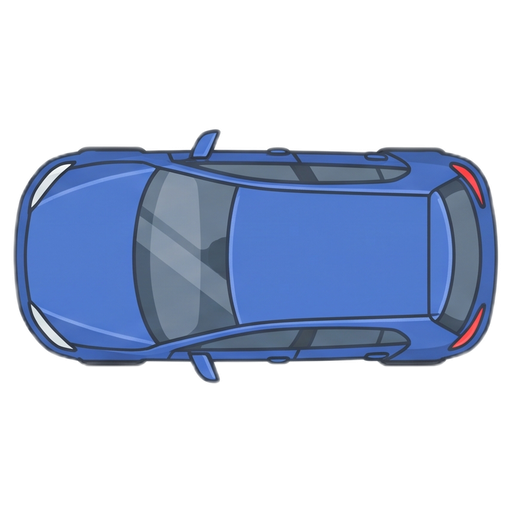
Physical Actors Main Preview
Physical Actors Satellite 1
Physical Actors Satellite 2
Physical Actors Satellite 3
Physical Actors Satellite 4

Physical Actors

Simulated real-world physical objects and environmental stimuli that trigger IoT sensors naturally on canvas.

Explore Physical Actors →

Passive4 Items
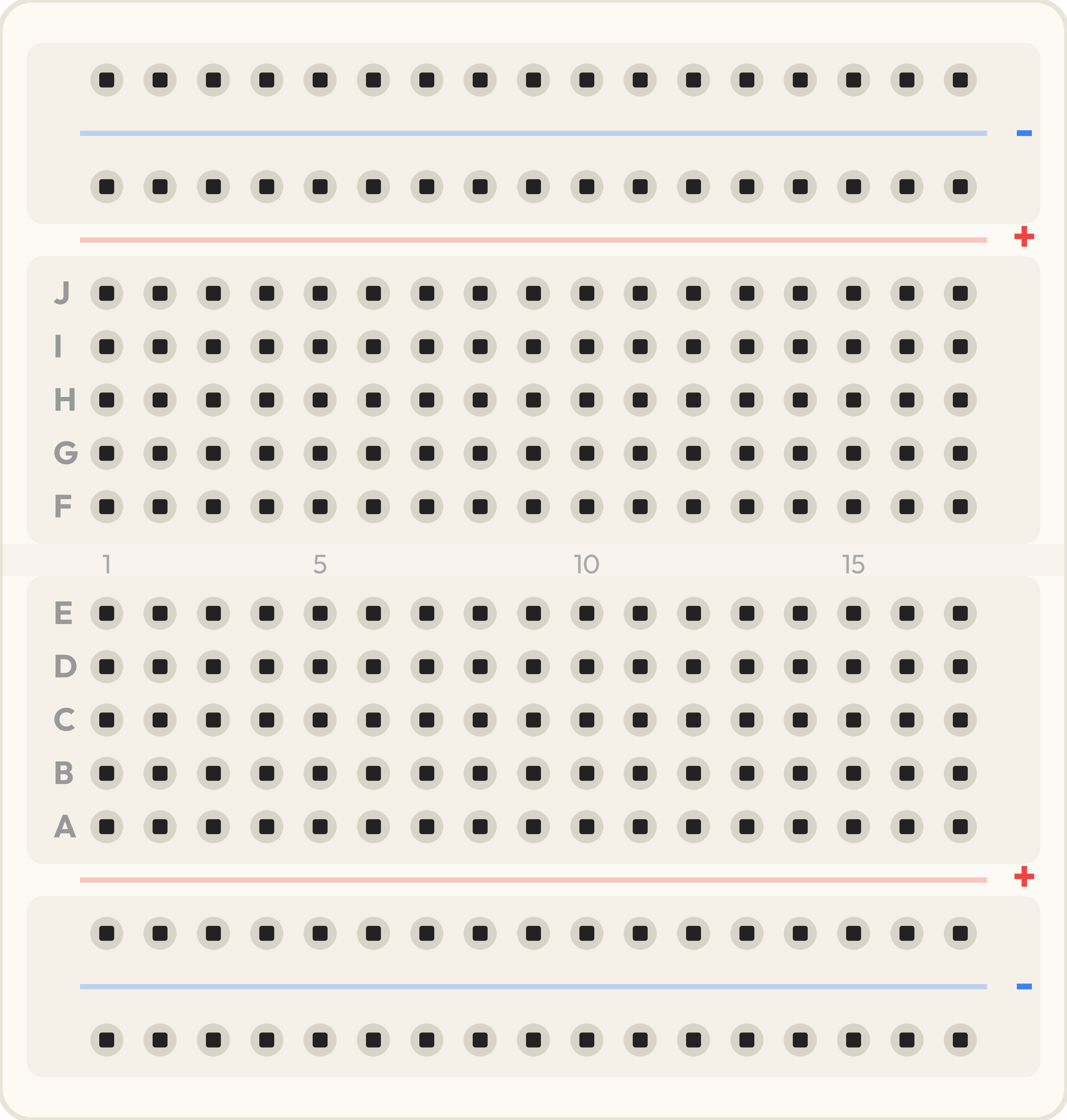
Passive Main Preview
Passive Satellite 1
Passive Satellite 2
Passive Satellite 3
Passive Satellite 4

Passive

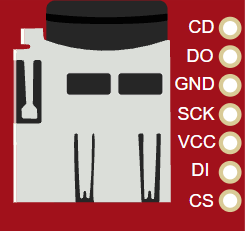
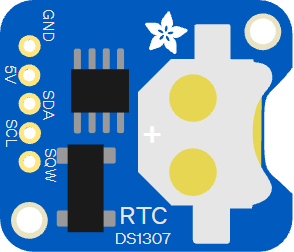
Essential passive components, breadboard prototyping rails, SD card storage, and RTC timekeepers.

Explore Passive →

How Our Simulator Works

1
Visual Circuit Builder
Drag and drop Arduino boards, sensors, and electronic parts onto your virtual breadboard.
2
Instant Code & Simulation
Write your Arduino C++ sketch in the browser and click Run to see your circuit react in real time.
3
Ready for Physical Hardware
Ready to build for real? Copy or download your code and wiring setup directly to your physical board.
AI Assistant

Design with AI. Test in simulation. Build when ready.

Turn natural language prompts into working Arduino circuits, auto-fix code and wiring bugs, and get step-by-step hardware connection guides.
Prompt to Live Circuit
Describe your idea in plain text. AI places parts, routes color-coded wires, and writes ready-to-run code.
Smart Error & Logic Repair
Resolve compiler errors, missing C++ libraries, and mismatched pin connections automatically with live diagnostics.
Step-by-Step Pinout Guide
Get structured pinout connection tables and clear explanations to understand logic and wire physical hardware safely.

Got Questions?

Everything you need to know about the platform
Yes! The core simulation engine, virtual components, and code compiler are completely free. You can design circuits and simulate code directly in your browser without any subscriptions.
Our AI Assistant lets you generate wiring circuits using natural language prompts, explain microcontroller logic, and diagnose or fix code errors instantly. Every user receives free daily AI prompt credits to accelerate their workflow.
No hardware is required. Our platform provides a detailed virtual workspace where you can drag, drop, and wire Arduino and ESP boards exactly as you would on a physical breadboard. All microcontroller logic runs in real time.
Absolutely. All code written in our editor is 100% compatible with real Arduino and ESP boards. You can copy or download your source code (.ino or .cpp) and flash it directly to physical hardware.
We support AVR microcontrollers (Arduino Uno, Mega, Nano) and 32-bit RISC-V architectures (ESP32-C3). Supported communication protocols include GPIO, I2C, SPI, UART, and hardware PWM.